Snakes in the Overstrand: Getting to know our scaly neighbours
Sunday, 1 November 2026
Onrus Vermont SRA
Spring is in full swing, bringing warmer weather and longer days, but this also means that snakes are more active, and encounters with them increasingly likely.
Whilst spending time outdoors residents may come across one of the Overstrand's many snake species. These often-misunderstood reptiles play an important role in the environment. Knowing just a little bit more about them may help to replace fear with understanding, keeping people, pets and snakes safe from harm.
The varied landscape, from coastal fynbos and mountain slopes to wetlands, gardens and open grassy spaces, provides habitat for several snake species. As they emerge in the warmer weather to thermoregulate, hunt for food and search for mates they may occasionally turn up in places where people do not expect to see them.
Not every snake encountered poses a danger. Species such as house snakes, egg-eaters, slug-eaters, and mole snakes are often found in residential areas, where they help to control rodents and other small prey.
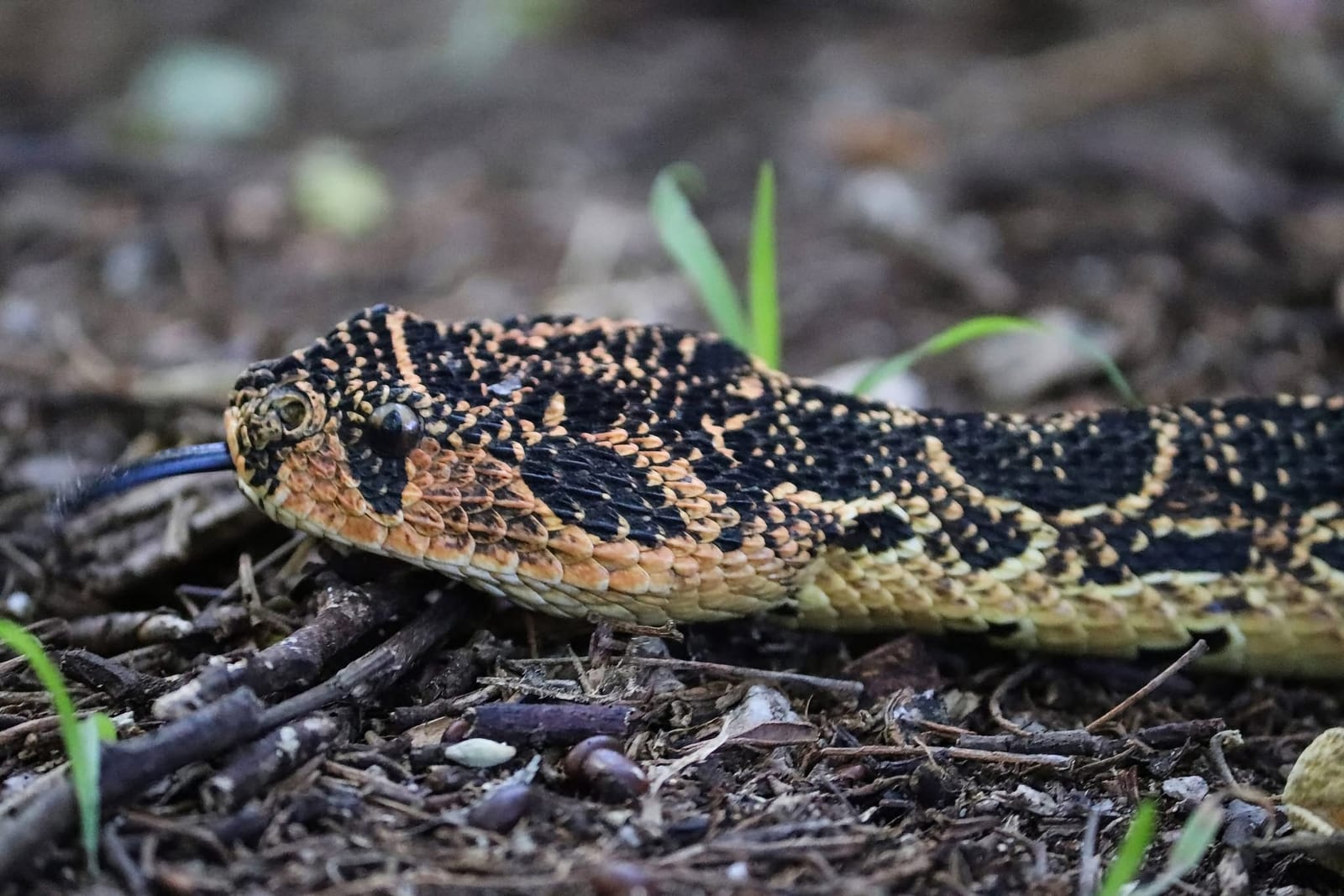
The four main species of venomous snakes in the Overstrand are the puffadder, Cape cobra, boomslang and rinkhals. Of these, puffadders and Cape cobras are the main concern as boomslang are generally very shy and seldom encountered, while rinkhals are quick to disappear and seldom seen.
A few simple precautions can reduce the likelihood of an unwelcome encounter.
Local conservationist, Corné Uys, advises that by keeping gardens tidy and reducing piles of rubble, stacked wood and other potential hiding places around and underneath buildings, unexpected encounters can largely be avoided.
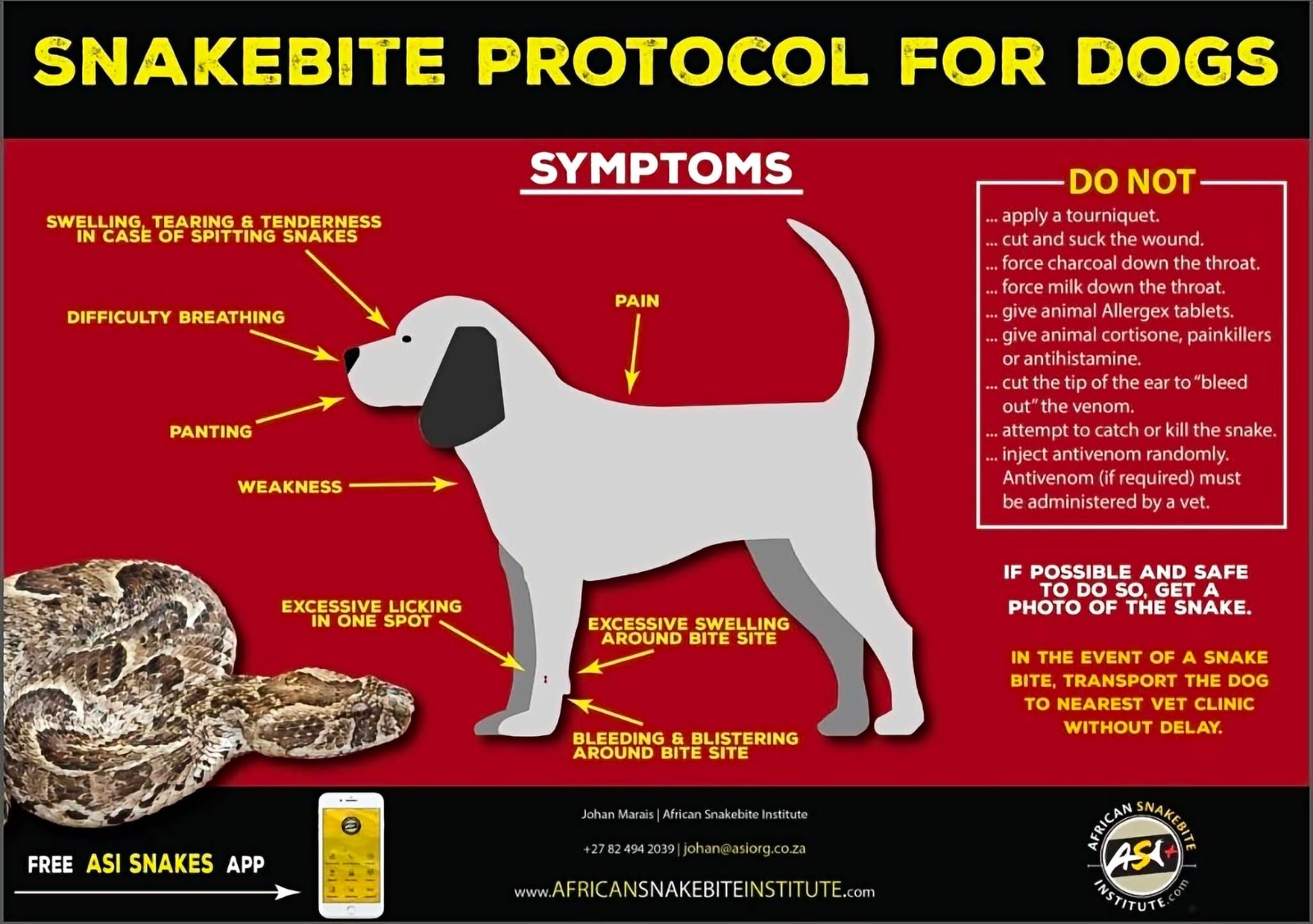
An urgent snakebite warning with respect to dogs, was recently issued by Bergview veterinarian, Dr Maarten van Dalsen, given concerns about antivenom shortages. He recommends walking dogs early in the day and keeping doors closed during hot weather to prevent snakes from coming indoors while seeking cooler temperatures. Dogs must be kept leashed because a curious dog can easily turn a peaceful encounter into a dangerous one for both the animal and its owner.
A suspected snakebite should be treated as a medical emergency. Keep the person or dog calm and still, and seek professional advice immediately. Never attempt to cut the wound, suck venom out or apply a tourniquet. Photographs of the snake are useful, but should be taken from a safe distance.
Watch where you step, take care around rocks and long grass. Snakes usually avoid confrontation, so the safest response is to slowly back away, giving the snake an opportunity to move off peacefully. Most importantly, snakes should never be killed as they have a critical ecological role, and the intentional killing of them is prohibited by law.
These remarkable reptiles are an integral part of the Overstrand's natural heritage, so learning to live alongside them is better for us all. A snake that feels threatened could defend itself, but most wildlife encounters are resolved by giving animals the space they deserve.
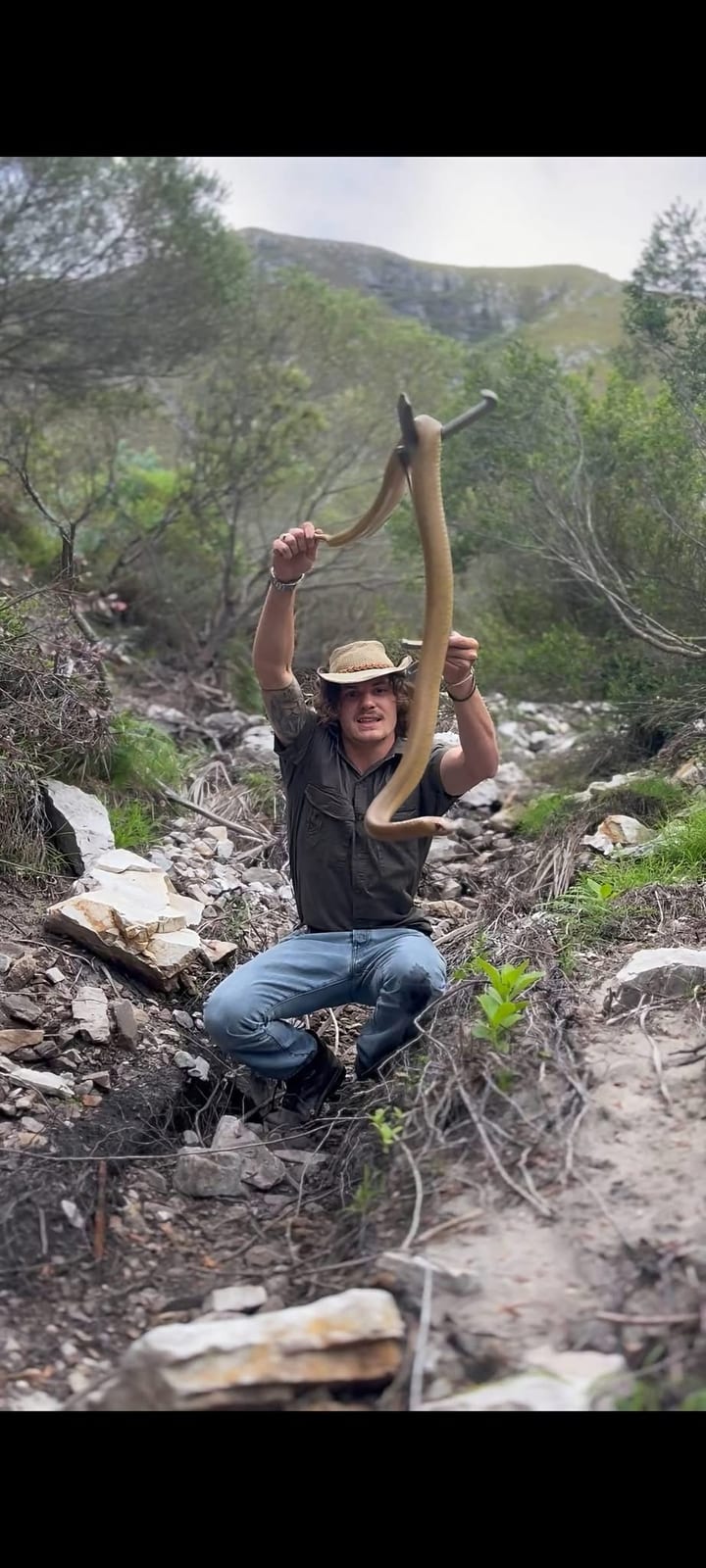
Should you encounter a dangerous snake in your house or garden, call an expert. Corné Uys (076 075 8004) and Jonathan Powers (082 352 6000) are experienced snake catchers and will handle the situation professionally.
📷 Many thanks to Corné for allowing us to use his photographs
Photos